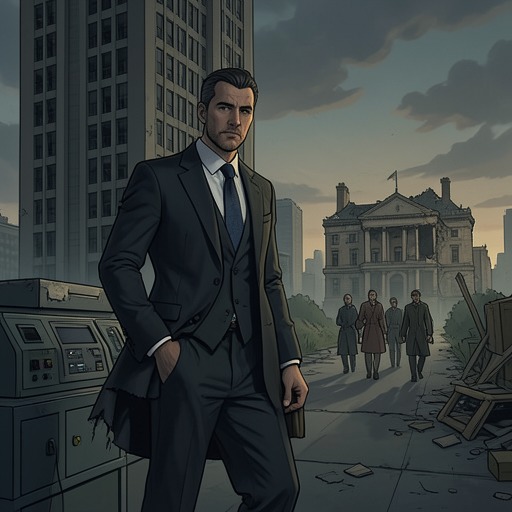
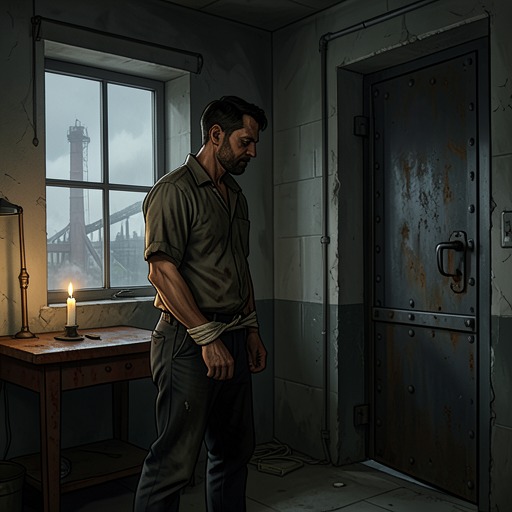
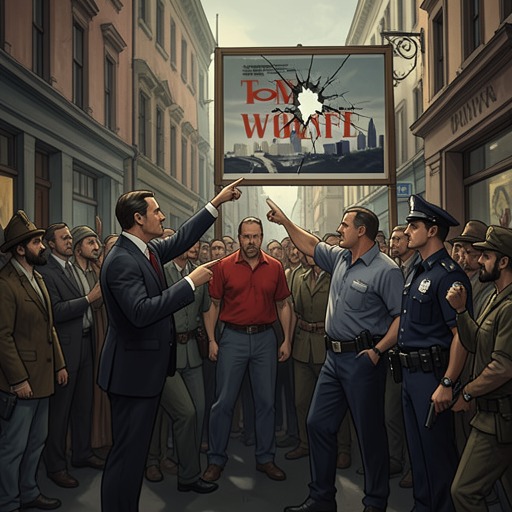
Charlie Croker’s childhood, decades before the main story
Baker County Beginnings
[Charlie Croker](entity:character-recall-character-charlie-croker-4f0c466805ff) grew up poor in rural [Baker County](entity:location-recall-location-baker-county-e303e6d2f89f), where his father moved among plantation work and a dangerous pulp mill. The boy absorbed a world of hard labor, animals, and Southern ideas of manhood that would later shape his self-image as a force of nature.
Charlie Croker’s college years, in the 1950s
The Sixty-Minute Man
At [Georgia Tech](entity:location-recall-location-georgia-tech-31b72c60e943), [Charlie Croker](entity:character-recall-character-charlie-croker-4f0c466805ff) became a celebrated football player who played both offense and defense. A serious knee injury became, in his mind, an honorable wound of war rather than a sign of age, and the nickname “the Sixty-Minute Man” followed him for decades.
Early in Charlie Croker’s adult life
Martha and Charlie Marry
[Martha](entity:character-recall-character-martha-d013454074d5), then a medical student from a prominent Virginia family, gave up her plans to become a doctor and married [Charlie Croker](entity:character-recall-character-charlie-croker-4f0c466805ff), a young real-estate broker from [Baker County](entity:location-recall-location-baker-county-e303e6d2f89f). She supplied polish, connections, and practical help as the couple began building a life in Atlanta.
During Charlie Croker and Martha Croker’s marriage
The First Croker Children
[Martha](entity:character-recall-character-martha-d013454074d5) and Charlie had three children: Mattie, Caddie, and Wallace, whom Charlie called Wally. Martha also became an important collaborator in the early business, helping organize the work behind Charlie’s first commercial developments.
The early years of Charlie Croker’s real-estate career
Martha Builds the Business
As Charlie assembled land and tenants for his first office building on Peachtree Road, [Martha](entity:character-recall-character-martha-d013454074d5) helped manage the complicated steps of development. She believed she was not merely accompanying his rise but helping create the successful developer the city came to admire.
The 1970s
The First Real-Estate Bust
Charlie survived an earlier real-estate collapse while still young and with comparatively little to lose. That recovery reinforced his belief that he could always begin again, a confidence that later made him dangerously willing to gamble on ever-larger projects.
The 1980s and late 1990s
The Real-Estate Boom
During successive credit booms, Charlie expanded from development into food distribution and accumulated a portfolio of buildings, warehouses, and ambitious projects. He and other Atlanta developers treated borrowed money as fuel for empire-building, while lenders and credit officers became caught up in the same optimism.
After Charlie Croker reads about edge cities, before Croker Concourse is built
The Edge-City Vision
Charlie became convinced that Atlanta’s future lay in commercial centers spreading outward along highways rather than in the old downtown core. He chose Cherokee County for a grand mixed-use development and named it [Croker Concourse](entity:location-recall-location-croker-concourse-6bf2b3de9d96), placing his own identity high above its mostly empty parking lots.
Before Croker Concourse’s land purchase
The Cherokee County Scheme
Finding that speculators had already made the desired land expensive, [Charlie Croker](entity:character-recall-character-charlie-croker-4f0c466805ff) enlisted an old acquaintance, Darwell Scruggs, who had organized a small Ku Klux Klan group. Charlie secretly encouraged a racial protest and used the resulting national coverage to drive down land values before buying acreage cheaply.
Several years before the main story
The Affair with Serena
While still married to [Martha](entity:character-recall-character-martha-d013454074d5), [Charlie Croker](entity:character-recall-character-charlie-croker-4f0c466805ff) became involved with [Serena](entity:character-recall-character-serena-26122ffe8bf3), a much younger art lecturer whose beauty and appetite for danger made him feel young again. Their relationship led him to leave Martha and marry Serena, a decision driven by sex, vanity, and fear of aging as much as by affection.
After Charlie Croker marries Serena
The Second Household
Charlie and [Serena](entity:character-recall-character-serena-26122ffe8bf3) had a daughter, Kingsley, and built an extravagant household staffed by multiple employees. Charlie’s teenage son Wally remained caught between his father’s old and new families, while Charlie struggled to understand the distance between them.
Roger Ahlstrom White II’s youth and college years
Roger’s Morehouse Years
[Roger Ahlstrom White II](entity:character-recall-character-roger-ahlstrom-whit-d131c66b961f) was raised under the influence of his minister father and Booker T. Washington’s emphasis on economic advancement. At [Morehouse College](entity:location-recall-location-morehouse-college-8fd13012e7a2), classmates turned his name into “[Roger Too White](entity:character-recall-character-roger-too-white-145b2fb0eddd),” a label that stayed with him as he tried to reconcile professional success, racial identity, and his own cautious temperament.
Before the main story
Roger’s Legal Career
[Roger Ahlstrom White II](entity:character-recall-character-roger-ahlstrom-whit-d131c66b961f) became a corporate lawyer at [Wringer Fleasom & Tick](entity:organization-recall-organization-wringer-fleasom-dfc087c05f36), specializing in contracts and serving prominent white clients. He learned to navigate Atlanta’s racial divisions while remaining uneasy about how readily he deferred to white authority.
Conrad Hensley’s childhood and adolescence
Conrad’s Childhood
[Conrad Hensley](entity:character-recall-character-conrad-hensley-16c8509c9e40) grew up amid his parents’ unstable countercultural life, neglect, drugs, and sexual disorder. He came to value the order, courtesy, education, and domestic stability his parents dismissed as bourgeois, and began imagining a more settled future for himself.
Conrad Hensley and Jill Hensley’s late teens
Conrad and Jill Begin a Family
[Conrad](entity:character-recall-character-conrad-04192f567972) met [Jill](entity:character-recall-character-jill-c58a30f04db5) at community college, got her pregnant, and insisted on marrying her. Their children, [Carl](entity:character-recall-character-carl-253c86b9cb77) and Christy, became the center of his effort to escape poverty and build a secure family life, though his limited prospects and Jill’s dependence on her mother strained the marriage.
Before the main story
Peepgass at PlannersBanc
[Raymond Peepgass](entity:character-recall-character-raymond-peepgass-9799615ec0b0) rose through [PlannersBanc](entity:organization-recall-organization-plannersbanc-95236b3ed352) as a cautious senior loan officer rather than a celebrated business originator. During the boom, however, he approved risky loans and became emotionally invested in [Charlie Croker](entity:character-recall-character-charlie-croker-4f0c466805ff)’s confidence and grand plans.
About two years before the main story
The Finnish Affair
On repeated business trips to [Helsinki](entity:location-recall-location-7fe18d3dd404), [Raymond Peepgass](entity:character-recall-character-raymond-peepgass-9799615ec0b0) began an affair with [Sirja Tiramaki](entity:character-recall-character-sirja-tiramaki-ed262ea63512), a Finnish department-store buyer. When Sirja became pregnant and refused an abortion, Peepgass panicked; after [Betty Pierce Peepgass](entity:character-recall-character-betty-pierce-peepga-cb7d4ef781da) learned the truth, she expelled him from their home.
After Sirja Tiramaki’s pregnancy and move to Georgia
Sirja’s Paternity Suit
[Sirja Tiramaki](entity:character-recall-character-sirja-tiramaki-ed262ea63512) gave birth to Pietari Paivarinta Peepgass in [Georgia](entity:location-recall-location-georgia-6064d11655cc) and sought substantial child support. The lawsuit, legal fees, two households, and support obligations pushed [Raymond Peepgass](entity:character-recall-character-raymond-peepgass-9799615ec0b0) into a private financial crisis he could not bring himself to explain to colleagues.
Late February, shortly before the quail season ends
The Quail Hunt
At [Turpmtine](entity:location-recall-location-turpmtine-a6d22fa60f76) Plantation, [Charlie Croker](entity:character-recall-character-charlie-croker-4f0c466805ff) hosts [Inman Armholster](entity:character-recall-character-inman-armholster-ba622de26486) and other guests for a lavish quail hunt. He bets that he can shoot only male birds, then does so, briefly taking his success as an omen that nothing can go wrong.
During the late-February quail hunt
Serena and Elizabeth’s Alliance
[Serena](entity:character-recall-character-serena-26122ffe8bf3) and Elizabeth Armholster ride together, laughing and ignoring the men’s hunt. Charlie feels humiliated by their apparent indifference to his performance and by their youthful intimacy, exposing his fear that his authority and masculinity are slipping away.
During the quail hunt, late February
The Debt Warning
A radio message tells [Charlie Croker](entity:character-recall-character-charlie-croker-4f0c466805ff) that his young financial officer, [Wismer Stroock](entity:character-recall-character-wismer-stroock-33cbc3544d17), has an urgent call from Atlanta. Charlie immediately understands that his mountain of debt has begun to threaten the carefully staged world of [Turpmtine](entity:location-recall-location-turpmtine-a6d22fa60f76).
An April Saturday evening, during Freaknik
Freaknik Takes Piedmont Avenue
[Roger Ahlstrom White II](entity:character-recall-character-roger-ahlstrom-whit-d131c66b961f) becomes trapped in a vast [Freaknik](entity:time-recall-time-freaknik-e094eb329be6) traffic jam on [Piedmont Avenue](entity:location-recall-location-piedmont-avenue-263f9c7dc51c) as Black college students dance among stalled cars. Seeing the revelry framed against the [Piedmont Driving Club](entity:location-recall-location-piedmont-driving-clu-782fcc66531c), Roger feels pride, arousal, embarrassment, and resentment at once, revealing his divided response to public Black self-assertion.
The same Freaknik Saturday evening
Roger’s Appointment with Buck
Determined not to arrive late at an appointment with [Georgia Tech](entity:location-recall-location-georgia-tech-31b72c60e943) coach [Buck McNutter](entity:character-recall-character-buck-mcnutter-ffe808b8533e), [Roger White](entity:character-recall-character-roger-white-b53583cbcac1) leaves the traffic jam and drives to the coach’s Buckhead home. There he finds McNutter and the football star [Fareek Fanon](entity:character-recall-character-fareek-fanon-8222a1f7907f), who is facing a serious allegation.
The same evening, at Buck McNutter’s home
The Allegation Emerges
[Buck McNutter](entity:character-recall-character-buck-mcnutter-ffe808b8533e) tells [Roger White](entity:character-recall-character-roger-white-b53583cbcac1) that [Fareek Fanon](entity:character-recall-character-fareek-fanon-8222a1f7907f) is accused of raping Elizabeth Armholster after a [Freaknik](entity:time-recall-time-freaknik-e094eb329be6) gathering. [Inman Armholster](entity:character-recall-character-inman-armholster-ba622de26486)’s power and anger make the case dangerous for Fanon, [Georgia Tech](entity:location-recall-location-georgia-tech-31b72c60e943), and the city, and Roger is recruited partly because of his relationship with Mayor Wesley Dobbs Jordan.
Monday morning, roughly thirty-six hours after Freaknik
The Workout Begins
At [PlannersBanc](entity:organization-recall-organization-plannersbanc-95236b3ed352), [Charlie Croker](entity:character-recall-character-charlie-croker-4f0c466805ff) and his team face a humiliating workout meeting led by [Harry Zale](entity:character-recall-character-harry-zale-3b432df381bd). Zale demands a clear account of the corporation’s debt, mocks Croker’s business plan, and exposes that [Croker Global](entity:organization-recall-organization-croker-global-269ba13f84c8) owes hundreds of millions while Croker is personally liable for a large portion.
Monday morning, during the PlannersBanc workout
The Saddlebags
Zale presses [Charlie Croker](entity:character-recall-character-charlie-croker-4f0c466805ff) to sell company cars, aircraft, horses, and [Turpmtine](entity:location-recall-location-turpmtine-a6d22fa60f76) Plantation, treating his cherished assets as disposable collateral. As Croker sweats through his shirt, the bank’s executives call the stains “saddlebags,” turning his physical distress into a spectacle.
Monday morning, near the end of the workout
The Lender’s Cactus
When [Charlie Croker](entity:character-recall-character-charlie-croker-4f0c466805ff) defends [Turpmtine](entity:location-recall-location-turpmtine-a6d22fa60f76) as an institution with a human cost, [Harry Zale](entity:character-recall-character-harry-zale-3b432df381bd) answers with a middle finger and orders Croker’s delegation out for a “lender’s cactus.” Croker leaves humiliated and limping, while [Raymond Peepgass](entity:character-recall-character-raymond-peepgass-9799615ec0b0) is unable to meet his gaze after Croker calls him an asshole.
Monday afternoon, after the workout
The Futile Flight Home
[Charlie Croker](entity:character-recall-character-charlie-croker-4f0c466805ff) flies to [Turpmtine](entity:location-recall-location-turpmtine-a6d22fa60f76) on the [Gulfstream Five](entity:object-recall-object-gulfstream-five-f22163d64353) with [Wismer Stroock](entity:character-recall-character-wismer-stroock-33cbc3544d17), unable to face his office or his employees immediately. He broods over [Croker Concourse](entity:location-recall-location-croker-concourse-6bf2b3de9d96), his failing empire, and the possibility that [PlannersBanc](entity:organization-recall-organization-plannersbanc-95236b3ed352) can seize everything he owns.
Monday afternoon, shortly after arriving at Turpmtine
Charlie Captures the Rattlesnake
At the stables, [Charlie Croker](entity:character-recall-character-charlie-croker-4f0c466805ff) spots a huge diamondback rattlesnake and, refusing to appear weak before his employees, grabs it bare-handed. He carries it in a burlap sack to the [Snake House](entity:object-recall-object-snake-house-be17ca3e9364) and releases it into a terrarium, briefly recovering his sense of command.
Monday afternoon, at Turpmtine
The Layoff Decision
The snake encounter restores [Charlie Croker](entity:character-recall-character-charlie-croker-4f0c466805ff)’s confidence enough to decide to cut 15 percent of [Croker Global Foods](entity:organization-recall-organization-croker-global-fo-cdda863abe67)’ workforce. He hopes the layoffs will save money and impress the bank, though he has only a hazy grasp of what the decision will mean to individual workers.
Several weeks later, an April night at the East Bay warehouse
Conrad’s Freezer Shift
At the [Croker Global Foods warehouse](entity:location-recall-location-croker-global-foods-29a968b38632) near the [San Francisco Bay Area](entity:location-recall-location-52f1d9e195b0), [Conrad Hensley](entity:character-recall-character-conrad-hensley-16c8509c9e40) works an overnight shift in the zero-degree freezer. He struggles with eighty-pound cartons while trying to save enough money to move his family toward a home in [Danville, California](entity:location-recall-location-87406bd5e5cc).
During Conrad Hensley’s freezer-shift period
Kenny’s Crash’n’Burn World
[Conrad](entity:character-recall-character-conrad-04192f567972)’s coworker [Kenny](entity:character-recall-character-kenny-9a7fb0cbce1c) arrives in a modified car that blasts violent Country Metal music and boasts about causing car alarms to sound. Conrad rebukes Kenny’s fatalistic attitude, insisting that work and saving can still lead to a future.
A light night during Conrad Hensley’s warehouse work
The Freezer Accident
A Dry Foods picker loses control of a tugger on spilled pinto beans, and a loaded pallet jack careens toward [Kenny](entity:character-recall-character-kenny-9a7fb0cbce1c). [Conrad](entity:character-recall-character-conrad-04192f567972) dives into the collision and saves Kenny from being crushed; the red food dye makes the wreck look like a bloodbath.
Later that night, during the lunch break
The Layoff Notice
[Conrad Hensley](entity:character-recall-character-conrad-hensley-16c8509c9e40) receives a notice that [Croker Global Foods](entity:organization-recall-organization-croker-global-fo-cdda863abe67) has laid him off. [Kenny](entity:character-recall-character-kenny-9a7fb0cbce1c) erupts in anger on [Conrad](entity:character-recall-character-conrad-04192f567972)’s behalf, then breaks down and admits that his own heart is full of “No,” while Conrad’s plan for a stable family life collapses.
Around the same period, an April evening
Peepgass’s Lonely Exile
[Raymond Peepgass](entity:character-recall-character-raymond-peepgass-9799615ec0b0) sits alone in a cramped rental apartment after [Betty Pierce Peepgass](entity:character-recall-character-betty-pierce-peepga-cb7d4ef781da) has thrown him out. He broods over his affair with [Sirja Tiramaki](entity:character-recall-character-sirja-tiramaki-ed262ea63512), the child-support suit, his debts, and his stalled career at [PlannersBanc](entity:organization-recall-organization-plannersbanc-95236b3ed352).
Later that evening, in Harry Zale’s office
The Red Dog Awakens
Listening to [Harry Zale](entity:character-recall-character-harry-zale-3b432df381bd)’s team mock debtors, [Raymond Peepgass](entity:character-recall-character-raymond-peepgass-9799615ec0b0) realizes that he has spent his career afraid to take risks. He conceives a secret plan to assemble a syndicate, obtain [Croker Concourse](entity:location-recall-location-croker-concourse-6bf2b3de9d96) cheaply after a deed-in-lieu transfer, and profit from the resale.
An April night at the Croker home
The False Alarm
[Charlie Croker](entity:character-recall-character-charlie-croker-4f0c466805ff) wakes with anxiety over debt and phantom gains, then triggers the home burglar alarm by walking downstairs without disabling it. He blames [Serena](entity:character-recall-character-serena-26122ffe8bf3), and when Wally sees her in bed with him, Charlie feels exposed and ashamed.
Immediately after the false alarm
The Household Confrontation
[Serena](entity:character-recall-character-serena-26122ffe8bf3) tells [Charlie Croker](entity:character-recall-character-charlie-croker-4f0c466805ff) that the alarm frightened her and that he had acted as if an intruder were attacking the house. Charlie insists that he can defend his own home, while Serena challenges his assumption that she and the household staff should bear the risk when he is away.
During the spring, after the divorce
Martha’s Fitness Class
[Martha](entity:character-recall-character-martha-d013454074d5) attends an exhausting exercise class led by Mustafa Gunt, surrounded by young women pursuing the fashionable “boy with breasts” ideal. She recognizes that Charlie’s departure has thrown her out of the life pattern she once organized and left her feeling superfluous.
The same spring, after Martha’s exercise class
A New Destiny for Martha
Over lunch, Joyce Newman urges [Martha](entity:character-recall-character-martha-d013454074d5) Croker to stop living inside her grievance and create a new social life. Martha agrees to buy a table at the Wilson Lapeth exhibition dinner, hoping the event will introduce her to people beyond her former identity as Charlie’s wife.
Before the High Museum opening dinner
Charlie Buys a Lapeth Table
[Serena](entity:character-recall-character-serena-26122ffe8bf3) persuades [Charlie Croker](entity:character-recall-character-charlie-croker-4f0c466805ff) to attend the Lapeth exhibition dinner and buy a twenty-thousand-dollar table, arguing that his absence would send a damaging signal to Atlanta’s cultural establishment. Charlie agrees despite his cash-flow crisis, planning to delay payment.
Spring, before the story breaks publicly
The Mayor’s Political Calculation
Mayor Wesley Dobbs Jordan explains to [Roger White](entity:character-recall-character-roger-white-b53583cbcac1) how get-out-the-vote cash and neighborhood organizers shape Atlanta elections. [Inman Armholster](entity:character-recall-character-inman-armholster-ba622de26486) is secretly guaranteeing [Andre Fleet](entity:character-recall-character-andre-fleet-ccf494e3746e) a million dollars in voter-mobilization money, while Fleet attacks Jordan as a member of a privileged “beige” elite.
After Roger White first asks for help with Fareek Fanon
Jordan’s Tour of Atlanta
Wesley Dobbs Jordan drives [Roger White](entity:character-recall-character-roger-white-b53583cbcac1) through Atlanta’s sharply divided geography, from the white wealth of Buckhead to the deteriorating streets of [Vine City](entity:location-recall-location-adaab2a66fb0) and the Bluff. He explains how the city’s black political core and white business power coexist in an uneasy arrangement known as the Atlanta Way.
During the same tour
Fareek’s Home Ground
The Mayor shows [Roger White](entity:character-recall-character-roger-white-b53583cbcac1) the ruined neighborhood where [Fareek Fanon](entity:character-recall-character-fareek-fanon-8222a1f7907f) grew up, near crack houses and young dealers. Jordan argues that Fanon’s rise from the Bluff to national sports fame makes him a symbol for young Black Atlantans, regardless of the unresolved allegation.
During the tour, after visiting the Bluff
Jordan Recruits Charlie
Wesley Dobbs Jordan decides that [Charlie Croker](entity:character-recall-character-charlie-croker-4f0c466805ff) is the most useful white establishment figure to support a public call for restraint. He asks [Roger White](entity:character-recall-character-roger-white-b53583cbcac1) to bring Croker into the effort, believing Croker’s football fame and status at the [Piedmont Driving Club](entity:location-recall-location-piedmont-driving-clu-782fcc66531c) could temper the racial crisis.
After the case reaches Mayor Jordan
The First Armholster Meeting
Wesley Dobbs Jordan meets [Inman Armholster](entity:character-recall-character-inman-armholster-ba622de26486) and warns that the situation could provoke a race riot if mishandled. He proposes a quiet student-government process, but Armholster distrusts it and insists that his daughter has been raped.
After Charlie’s first PlannersBanc workout
The Croker Reorganization Debate
On the return flight to [Turpmtine](entity:location-recall-location-turpmtine-a6d22fa60f76), [Charlie Croker](entity:character-recall-character-charlie-croker-4f0c466805ff) asks [Wismer Stroock](entity:character-recall-character-wismer-stroock-33cbc3544d17) how to deal with the bank. Stroock says the bank will likely prefer restructuring to foreclosure, but argues that the corporation must surrender meaningful assets and keep its cash-generating food division.
During the flight to Turpmtine
The Planting of the Layoff Plan
[Charlie Croker](entity:character-recall-character-charlie-croker-4f0c466805ff) considers cutting the food division’s payroll by 15 percent, a move that would eliminate hundreds of jobs. He recognizes the human cost only briefly before deciding that layoffs may please bankers who regard payroll as waste.
After Conrad Hensley loses his warehouse job
Conrad’s Family Strain
At the family’s cramped duplex in [Pittsburg, California](entity:location-recall-location-dfe16b098888), [Conrad Hensley](entity:character-recall-character-conrad-hensley-16c8509c9e40) faces [Jill](entity:character-recall-character-jill-c58a30f04db5)’s anger over his joblessness and their children’s needs. Jill’s mother treats [Conrad](entity:character-recall-character-conrad-04192f567972) as an unreliable low-status husband, intensifying his fear that he cannot protect or provide for his family.
After Conrad’s layoff, before the Oakland interview
The Hooker Look
[Conrad](entity:character-recall-character-conrad-04192f567972) overhears a Cambodian mother arguing with her teenage daughter, whom he realizes she is calling a “little slut.” The girl’s suggestive glance awakens Conrad’s sexual curiosity and makes him reflect on his own inexperience and the euphemisms he inherited from his father.
A weekday morning after the layoff
The Typing Test
At ContempoTime in [Oakland](entity:location-recall-location-oakland-479b7c0dace1), [Conrad Hensley](entity:character-recall-character-conrad-hensley-16c8509c9e40) passes the written word-processing test but fails the typing test because his freezer-strengthened hands now strike the keys too heavily. Carol offers him a chance to practice and return, but he leaves ashamed and shaken.
The same day, after the ContempoTime interview
The Tow-Away
[Conrad](entity:character-recall-character-conrad-04192f567972) discovers that his [Hyundai Excel](entity:object-recall-object-hyundai-excel-4a050a95a7f6) has been pushed into a red zone and onto the sidewalk, then towed. The meter maid refuses to stop the process, and Conrad is trapped in an escalating sequence of fines, pay phones, bus rides, and searches for cash.
The same day, near the towing yard’s closing time
The Three C Yard Fight
At Three C Towing, [Conrad](entity:character-recall-character-conrad-04192f567972) learns that the fees have risen beyond what he can pay and sees the giant tow operator damaging his car with a forklift. He fights to reclaim the Hyundai, strikes the yard’s manager during the struggle, and is arrested by an off-duty officer.
After the towing-yard arrest
Conrad’s Trial and Conviction
[Conrad Hensley](entity:character-recall-character-conrad-hensley-16c8509c9e40) rejects a plea bargain because he refuses to admit to an assault he believes he did not commit. A jury convicts him of felony assault, and the decision costs him his freedom, income, and hope of keeping his marriage intact.
During the spring, before his knee operation
Charlie’s Crisis of Age
[Charlie Croker](entity:character-recall-character-charlie-croker-4f0c466805ff) visits his new orthopedist, Emmo Nuchols, and hears that knee replacement depends on how much pain he can tolerate. He realizes that younger professionals are ready to take over his role, and that age has made him less indispensable than he once believed.
A Friday evening at Turpmtine, during the quail off-season
The Breeding Barn Show
To impress potential tenant [Herb Richman](entity:character-recall-character-herb-richman-914ca3ec48df), [Charlie Croker](entity:character-recall-character-charlie-croker-4f0c466805ff) stages a demonstration of breeding a mare with his prize stallion, First Draw. The spectacle of animal lust unsettles the guests, but Charlie believes it reveals the natural order of male and female power.
The same Friday night at Turpmtine
The Dinner Table Rupture
At dinner, Billy Bass and Judge [Opey McCorkle](entity:character-recall-character-opey-mccorkle-50cad7e11558) make cruel jokes about [AIDS](entity:state-recall-state-aids-d9fc10c34f2a), while Charlie joins in. Wally’s bitter remark about nuking people with AIDS exposes the younger generation’s discomfort, and [Serena](entity:character-recall-character-serena-26122ffe8bf3) warns Charlie that the Richmans heard the talk as gay-bashing.
Later that Friday night
The Rape Rumor Reaches Turpmtine
Billy Bass privately tells [Charlie Croker](entity:character-recall-character-charlie-croker-4f0c466805ff) that [Inman Armholster](entity:character-recall-character-inman-armholster-ba622de26486) says [Fareek Fanon](entity:character-recall-character-fareek-fanon-8222a1f7907f) raped Elizabeth Armholster. Charlie is shocked, remembers Elizabeth’s presence at the earlier quail hunt, and hears that Armholster is searching for allies at [Georgia Tech](entity:location-recall-location-georgia-tech-31b72c60e943).
The next morning at Turpmtine
Herb Richman Rejects the Courtship
[Charlie Croker](entity:character-recall-character-charlie-croker-4f0c466805ff) shows [Herb Richman](entity:character-recall-character-herb-richman-914ca3ec48df) the breeding process in detail, hoping to win [DefinitionAmerica](entity:organization-recall-organization-definitionameric-ca6d3ff17a61)’s headquarters lease. His final remarks about heterosexual nature, paired with the earlier dinner, leave Richman and his wife uncomfortable and cost Charlie a major business opportunity.
The same morning at the breeding barn
Charlie’s Verbal Gaffe
Trying to introduce the stud manager to [Herb Richman](entity:character-recall-character-herb-richman-914ca3ec48df), Charlie accidentally calls him “Hebe.” Richman politely accepts the introduction but his coolness makes Charlie realize he has probably lost the lease, reinforcing his sense that he no longer understands the social world he once commanded.
Sunday afternoon, after the Turpmtine weekend
The G-5 Repossession
At [PDK](entity:location-recall-location-pdk-2a0111703bc4), [PlannersBanc](entity:organization-recall-organization-plannersbanc-95236b3ed352) arrives with a court order to seize [Charlie Croker](entity:character-recall-character-charlie-croker-4f0c466805ff)’s [Gulfstream Five](entity:object-recall-object-gulfstream-five-f22163d64353) in front of his guests. Charlie tries to preserve face, learns the aircraft and his N. C. Wyeth painting are collateral, and warns the bank about another lender’s lien.
Immediately after the seizure order, Sunday afternoon
The Sabotaged Engine
Rather than let [PlannersBanc](entity:organization-recall-organization-plannersbanc-95236b3ed352) fly away with the aircraft, [Charlie Croker](entity:character-recall-character-charlie-croker-4f0c466805ff) persuades airport mechanic Lunnie to tell him how to disable an engine. Charlie secretly drops a wrench into the starboard engine intake, and the attempted departure ends in a burst of mechanical destruction.
The following Monday morning
The Deed-in-Lieu Offer
[Charlie Croker](entity:character-recall-character-charlie-croker-4f0c466805ff) calls his lawyer John Fogg about the [G-5](entity:object-recall-object-g-5-16e5328a078f) seizure and discovers that his firm may stop representing him over unpaid fees. At the same time, creditors and vendors arrive seeking overdue payments, while Charlie struggles to maintain the appearance of control.
The same Monday morning
The VectorCom Sales Pitch
Charlie hosts Jerry Lovejoy and VectorCom executives, serving them ham biscuits and trying to lease space at [Croker Concourse](entity:location-recall-location-croker-concourse-6bf2b3de9d96). A delinquent caterer in his chef’s uniform waits outside, and Charlie must conceal the company’s inability to pay him.
May, on the evening of the High Museum opening dinner
The Lapeth Opening
[Martha](entity:character-recall-character-martha-d013454074d5) Croker attends the Wilson Lapeth exhibition with guests arranged by Joyce Newman, hoping to begin a new social life. In the crowded atrium, she finds that Arthur Lomprey barely recognizes her, confirming her fear that divorced women become socially invisible.
During the Lapeth opening dinner
Peepgass Finds His Syndicate
[Raymond Peepgass](entity:character-recall-character-raymond-peepgass-9799615ec0b0) tells [Herb Richman](entity:character-recall-character-herb-richman-914ca3ec48df) and Julius Licht that [PlannersBanc](entity:organization-recall-organization-plannersbanc-95236b3ed352) may dispose of [Croker Concourse](entity:location-recall-location-croker-concourse-6bf2b3de9d96) cheaply. Their interest gives Peepgass the first real allies for his secret acquisition scheme, while he publicly presents himself as an insider with valuable knowledge.
Near the end of the Lapeth opening dinner
Martha Meets Charlie Again
[Martha](entity:character-recall-character-martha-d013454074d5) Croker unexpectedly encounters [Charlie Croker](entity:character-recall-character-charlie-croker-4f0c466805ff) and [Serena](entity:character-recall-character-serena-26122ffe8bf3) in the crowded museum. Charlie makes a hearty public greeting, but his guests gather around him and leave Martha isolated again; [Raymond Peepgass](entity:character-recall-character-raymond-peepgass-9799615ec0b0) approaches her and asks to speak later.
After the Lapeth opening
The Croker Land Deal Is Exposed
[Raymond Peepgass](entity:character-recall-character-raymond-peepgass-9799615ec0b0) visits [Martha](entity:character-recall-character-martha-d013454074d5) at her home and learns the details of Charlie’s scheme with Darwell Scruggs and [Andre Fleet](entity:character-recall-character-andre-fleet-ccf494e3746e) to depress land values in Cherokee County. Peepgass recognizes the information as leverage and begins considering how it might help secure his own future.
After their first private meeting
Peepgass Courts Martha
[Raymond Peepgass](entity:character-recall-character-raymond-peepgass-9799615ec0b0) and [Martha](entity:character-recall-character-martha-d013454074d5) Croker begin seeing each other, and he presents her with a chance to join the proposed [Croker Concourse](entity:location-recall-location-croker-concourse-6bf2b3de9d96) syndicate. Martha considers the investment partly as a way to protect herself from Charlie’s financial collapse and partly as a possible new life.
During the spring, as Sirja’s paternity case proceeds
The Guilty Deposition
[Raymond Peepgass](entity:character-recall-character-raymond-peepgass-9799615ec0b0) is questioned by [Sirja Tiramaki](entity:character-recall-character-sirja-tiramaki-ed262ea63512)’s lawyer about the affair, the pregnancy, and their sexual encounter. He refuses to claim that Sirja supplied the condom, recognizing that his own evasions and choices have helped create the humiliating legal predicament.
The Monday after Charlie’s return from Turpmtine
The Missing Caterer
At [Croker Concourse](entity:location-recall-location-croker-concourse-6bf2b3de9d96), [Colonel Popover](entity:character-recall-character-colonel-popover-f6a4306221ca) demands payment for a past event in front of prospective tenant Jerry Lovejoy. Charlie tries to joke away the embarrassment and steers the VectorCom group toward the stairs before the caterer can damage the sales pitch.
After the Internet rumor reaches mainstream media
The Reporter’s Press Conference
[Roger White](entity:character-recall-character-roger-white-b53583cbcac1), [Julian Salisbury](entity:character-recall-character-julian-salisbury-2a20266119b9), and [Don Pickett](entity:character-recall-character-don-pickett-0935a26cc6e2) hold a press conference at [Wringer Fleasom & Tick](entity:organization-recall-organization-wringer-fleasom-dfc087c05f36) to deny that formal charges have been filed against [Fareek Fanon](entity:character-recall-character-fareek-fanon-8222a1f7907f). Roger tries to restrain the story, but he mentions “tarantulas” and [English Avenue](entity:location-recall-location-english-avenue-1fcb3d90c190), giving reporters material that deepens his anxiety.
The day after the press conference
Roger’s Public Recognition
After his comments appear on television, [Roger White](entity:character-recall-character-roger-white-b53583cbcac1) receives unexpected approval from a Black neighbor and a parking attendant, both of whom tell him he has “gotcha back.” He realizes that his press-conference role has changed how some people in his community see him.
Before Charlie’s knee surgery
Charlie Meets Fareek
At [Buck McNutter](entity:character-recall-character-buck-mcnutter-ffe808b8533e)’s house, [Charlie Croker](entity:character-recall-character-charlie-croker-4f0c466805ff) meets [Fareek Fanon](entity:character-recall-character-fareek-fanon-8222a1f7907f) and attempts to connect through their shared history as [Georgia Tech](entity:location-recall-location-georgia-tech-31b72c60e943) football stars. Fareek mocks Charlie’s old nickname and presses him about the exclusion of Black athletes in the past, turning the encounter into a confrontation rather than a bond.
During the meeting at Buck McNutter’s house
The Invitation to Turpmtine
[Fareek Fanon](entity:character-recall-character-fareek-fanon-8222a1f7907f) surprises everyone by asking to visit [Turpmtine](entity:location-recall-location-turpmtine-a6d22fa60f76) Plantation and see a quail hunt. [Charlie Croker](entity:character-recall-character-charlie-croker-4f0c466805ff) refuses because the season is over and the plantation is closed, but his unease grows as Roger and Buck continue to seek his public support.
After the meeting at Buck McNutter’s house
The First Warning to Peepgass
[Charlie Croker](entity:character-recall-character-charlie-croker-4f0c466805ff)’s financial team tries to discover why [PlannersBanc](entity:organization-recall-organization-plannersbanc-95236b3ed352) has paused its pressure campaign. Meanwhile, [Raymond Peepgass](entity:character-recall-character-raymond-peepgass-9799615ec0b0) continues promoting the secret [Croker Concourse](entity:location-recall-location-croker-concourse-6bf2b3de9d96) syndicate to [Herb Richman](entity:character-recall-character-herb-richman-914ca3ec48df) and other prospective investors.
After pitching the syndicate to Herb Richman
Peepgass Visits Nassau
[Raymond Peepgass](entity:character-recall-character-raymond-peepgass-9799615ec0b0) travels to [Nassau](entity:location-recall-location-nassau-4d295b49e140) to set up Colonial Real Properties with [Harvey Wyndham](entity:character-recall-character-harvey-wyndham-776c8f3302eb), using the Bahamas as the discreet base for his commission scheme. He proposes a secret arrangement that would pay his company millions if the syndicate acquires and later resells [Croker Concourse](entity:location-recall-location-croker-concourse-6bf2b3de9d96).
After the Bahamas trip
Peepgass Sells the Deal
[Raymond Peepgass](entity:character-recall-character-raymond-peepgass-9799615ec0b0) pitches the [Croker Concourse](entity:location-recall-location-croker-concourse-6bf2b3de9d96) opportunity to [Herb Richman](entity:character-recall-character-herb-richman-914ca3ec48df), describing a low-price acquisition and a large resale gain. Richman recognizes that Peepgass expects a hidden brokerage share through Colonial Real Properties, but remains intrigued by the potential return.
After the press conference preparations begin
Charlie’s Knee Replacement
[Charlie Croker](entity:character-recall-character-charlie-croker-4f0c466805ff) undergoes knee-replacement surgery and wakes in hospital, relieved to be temporarily removed from the demands of his collapsing business and the Fanon crisis. He discovers that surgery has not ended his anxiety; it has merely placed a physical screen between him and the world.
During Charlie’s recovery at Blackland Road
The Stoic Lesson at Home
After returning home, [Charlie Croker](entity:character-recall-character-charlie-croker-4f0c466805ff) resists rehabilitation and withdraws into a hospital bed set up in the library. When [Conrad Hensley](entity:character-recall-character-conrad-hensley-16c8509c9e40)’s account of [Epictetus](entity:character-recall-character-9e58b5dd505e) reaches him, Charlie begins to see that his dilemma is not simply whether to save his possessions, but whether to preserve his character.
During Conrad’s early months in Atlanta
Conrad’s Work with the Gardners
Working for [Carter Home Care](entity:organization-recall-organization-carter-home-care-d3a4e15603fa), [Conrad Hensley](entity:character-recall-character-conrad-hensley-16c8509c9e40) is assigned to help the elderly Lewis and Louise Gardner. He discovers their cramped but lovingly curated home and begins to feel useful in a way that warehouse labor and jail had not allowed.
During a later visit to the Gardners
The Extortionist Returns
A tattooed man intimidates Lewis and Louise Gardner, demanding money and smashing porcelain figurines when they cannot comply. [Conrad](entity:character-recall-character-conrad-04192f567972) steps between the old couple and the extortionist, refuses to back down, and drives him from the house.
Immediately after the confrontation at the Gardners’ home
Conrad’s Quiet Courage
[Conrad](entity:character-recall-character-conrad-04192f567972) explains that the extortionist had relied on the Gardners’ fear and that standing up to him was the only way to end the abuse. The encounter gives Conrad a practical example of the courage he has been reading about in [Epictetus](entity:character-recall-character-9e58b5dd505e).
During the mayoral campaign, before the election
The Mayor’s Campaign Rally
At the [Church of the Sheltering Arms](entity:location-recall-location-church-of-the-shelte-047f016b5956), [Andre Fleet](entity:character-recall-character-andre-fleet-ccf494e3746e) addresses a largely Black congregation and attacks Atlanta’s “beige half brothers” for serving white business interests. His speech turns the contrast between the city’s Black political majority and its white wealth into a powerful electoral message.
During Andre Fleet’s rally
Roger Records Fleet
[Roger White](entity:character-recall-character-roger-white-b53583cbcac1) secretly records the rally for Mayor Wesley Dobbs Jordan. Fleet’s arrival, the choir, and the crowd’s “gotcha back” chant reveal his ability to mobilize people emotionally, while Roger feels increasingly conspicuous as an emissary of the city’s establishment.
During Conrad’s detention at Santa Rita
Mutt’s Jailhouse Story
In the crowded [Santa Rita](entity:organization-recall-organization-santa-rita-6bdb7b6eb588) pod, [Conrad Hensley](entity:character-recall-character-conrad-hensley-16c8509c9e40)’s cellmate Mutt Simms recounts how he was raped as a teenager and later blinded his attacker with a homemade cardboard shank. His story exposes the brutal code of survival governing the inmates.
During Conrad’s first days at Santa Rita
The Book Cover Is Torn
A guard confiscates the hard cover of [Conrad Hensley](entity:character-recall-character-conrad-hensley-16c8509c9e40)’s copy of [The Stoics](entity:object-recall-object-the-stoics-5b2ee8dd5c86), tearing the book apart before returning its pages. Mutt recognizes the potential of the discarded cardboard as a weapon, and [Conrad](entity:character-recall-character-conrad-04192f567972) sees how arbitrary power governs even the smallest possessions.
A Sunday during Conrad’s detention
Jill’s Visit
During a brief glass-separated visit, [Jill](entity:character-recall-character-jill-c58a30f04db5) Hensley asks [Conrad](entity:character-recall-character-conrad-04192f567972) what “hubba ho” means after hearing women argue in the visiting line. She tells him she may have to move in with her mother and challenges his decision to reject a plea bargain, saying his insistence on honor has endangered the family.
During Conrad’s first weeks at Santa Rita
Mutt’s Breakdown
After Mutt Simms taunts the other inmates with a racial slur, the pod turns against him and a confrontation with deputies erupts. Mutt is subdued with a stun device, restrained, and taken to the Rubber Room, leaving [Conrad](entity:character-recall-character-conrad-04192f567972) and [Five-O](entity:character-recall-character-five-o-e672d8624d0f) shaken by the prison’s violence.
After Mutt’s removal to the Rubber Room
Conrad Reads Epictetus
With only the damaged pages of [The Stoics](entity:object-recall-object-the-stoics-5b2ee8dd5c86) for company, [Conrad](entity:character-recall-character-conrad-04192f567972) reads [Epictetus](entity:character-recall-character-9e58b5dd505e) on imprisonment, pain, and the power to preserve one’s will. He finds in the ancient philosopher a language for the decision that sent him to jail rather than make a false plea.
During Conrad’s early time in the pod
Five-O’s Jailhouse Advice
[Five-O](entity:character-recall-character-five-o-e672d8624d0f) teaches [Conrad](entity:character-recall-character-conrad-04192f567972) the prison maxim that a new fish must become either a player or a punk and should use words to avoid conflict. Conrad watches Five-O try to challenge a Chinese trustee over a half-eaten chicken leg and learns that the trustee’s verbal skill can outweigh brute force.
During Conrad’s ongoing detention at Santa Rita
The Sexualized Pod
In the pod room, prisoners watch sexualized television and talk openly about forced homosexual encounters and domination. [Conrad](entity:character-recall-character-conrad-04192f567972) understands that “give it up, bitch” expresses the prison’s ultimate threat: the seizure of another person’s body and self-respect.
During Conrad’s second week in the pod
Pocahontas Is Targeted
[Rotto](entity:character-recall-character-rotto-35e2a1903132) approaches the vulnerable new inmate nicknamed [Pocahontas](entity:character-recall-character-pocahontas-0659893b298f), who has made himself conspicuous through his appearance and manner. [Conrad](entity:character-recall-character-conrad-04192f567972) watches from a distance as Rotto speaks to him, fearing that the encounter is a prelude to sexual coercion.
The following evening, during pod time
The Assault on Pocahontas
[Rotto](entity:character-recall-character-rotto-35e2a1903132) and his men control access to the shower area while [Pocahontas](entity:character-recall-character-pocahontas-0659893b298f) is assaulted out of sight. The young man emerges bloodied and collapses; [Conrad](entity:character-recall-character-conrad-04192f567972) alone approaches him and calls for a deputy, even though doing so risks being branded a snitch.
Immediately after Pocahontas is taken for help
Conrad Becomes a Target
The other inmates turn away from [Conrad](entity:character-recall-character-conrad-04192f567972), leaving him isolated after he summons the deputies. He wrestles with [Epictetus](entity:character-recall-character-9e58b5dd505e)’s teaching about matters beyond his control and with the guilt of having failed to help [Pocahontas](entity:character-recall-character-pocahontas-0659893b298f) earlier.
The next evening, during pod time
Rotto Confronts Conrad
[Rotto](entity:character-recall-character-rotto-35e2a1903132) approaches [Conrad Hensley](entity:character-recall-character-conrad-hensley-16c8509c9e40) with a falsely friendly offer to arrange a telephone call, just as he had approached [Pocahontas](entity:character-recall-character-pocahontas-0659893b298f). [Conrad](entity:character-recall-character-conrad-04192f567972) rises and uses the prison slang he has learned from [Five-O](entity:character-recall-character-five-o-e672d8624d0f) to refuse the offer and insist that he wants only to serve his time.
During the same confrontation
Conrad Breaks Rotto’s Hand
When [Rotto](entity:character-recall-character-rotto-35e2a1903132) grabs [Conrad](entity:character-recall-character-conrad-04192f567972)’s cheek, Conrad seizes his hand and crushes it, then forces the wrist backward until Rotto falls. The pod watches in disbelief as the supposedly powerless new fish defeats the white shot caller without a weapon.
That night after lights-out
Conrad Rejects the Pod’s Code
[Five-O](entity:character-recall-character-five-o-e672d8624d0f) warns [Conrad](entity:character-recall-character-conrad-04192f567972) that [Rotto](entity:character-recall-character-rotto-35e2a1903132)’s gang will seek revenge and urges him to act crazy so deputies will move him away. Conrad refuses to pretend and asks Five-O to record what happened for [Jill](entity:character-recall-character-jill-c58a30f04db5) and the children, saying he has never been clearer about his choice.
Late at night, during Conrad’s detention at Santa Rita
The Earthquake
A major earthquake tears through the [Santa Rita](entity:organization-recall-organization-santa-rita-6bdb7b6eb588) jail, buckling its old barracks and collapsing [West Greystone](entity:location-recall-location-west-greystone-4057dc4a64b8). [Conrad](entity:character-recall-character-conrad-04192f567972) and [Five-O](entity:character-recall-character-five-o-e672d8624d0f) are thrown from their bunks and trapped in darkness beneath the wreckage as cries for help rise through the broken pod.
Immediately after the Santa Rita earthquake
Conrad Rescues Five-O
[Conrad](entity:character-recall-character-conrad-04192f567972) finds a narrow passage through the rubble and crawls toward moonlight in the ruined visiting area. Rather than leave [Five-O](entity:character-recall-character-five-o-e672d8624d0f) trapped, he enlarges the opening with a piece of pipe and helps his injured cellmate squeeze through before the structure collapses further.
The same earthquake night
Conrad Escapes Santa Rita
Outside, [Conrad](entity:character-recall-character-conrad-04192f567972) learns that the earthquake has severed the perimeter fence and made escape possible. Though a guard warns that escapees may be shot, Conrad chooses to flee into the darkness, convinced that the disaster is a trial and an opening given by Zeus.
Later that night, after Conrad reaches Camp Parks
The Camp Parks Disguise
[Conrad](entity:character-recall-character-conrad-04192f567972) reaches the damaged [Camp Parks U.S. Army Reserve Center](entity:location-recall-location-camp-parks-u-s-army-4d36410116ee), where soldiers scramble through the earthquake’s destruction. He enters a uniform shed, takes fatigues and a cap, and drives away in an unattended Jeep to avoid immediate detection.
The same night, at the Croker Global Foods warehouse
Kenny Finds Conrad
[Conrad](entity:character-recall-character-conrad-04192f567972) reaches the East Bay warehouse and waits in the stolen Jeep, hoping to find [Kenny](entity:character-recall-character-kenny-9a7fb0cbce1c). Kenny nearly drives away before Conrad throws himself onto the car’s hood and stops him; recognizing his friend, Kenny agrees to hide and help him.
After Kenny takes Conrad to Oakland
Kenny Calls Jill
[Kenny](entity:character-recall-character-kenny-9a7fb0cbce1c) explains that the FBI has asked about [Conrad](entity:character-recall-character-conrad-04192f567972) but agrees to contact [Jill](entity:character-recall-character-jill-c58a30f04db5). He tells her that Conrad is alive and out of [Santa Rita](entity:organization-recall-organization-santa-rita-6bdb7b6eb588), while warning Conrad not to reveal his location over a potentially monitored phone line.
The earthquake night, at Mai’s 24-Hour Mini-Mart
Mai’s Army
[Kenny](entity:character-recall-character-kenny-9a7fb0cbce1c) brings [Conrad](entity:character-recall-character-conrad-04192f567972) to [Mai](entity:character-recall-character-mai-f774874153d2)’s store on [Shattuck Avenue](entity:location-recall-location-shattuck-avenue-54e4db77a4ce) and introduces him to a circle of immigrant night workers with military and guerrilla backgrounds. Mai agrees to shelter Conrad and arrange identification, cash, transport, and a safe place to go.
The day after the earthquake
The Flight to Atlanta
[Mai](entity:character-recall-character-mai-f774874153d2) supplies [Conrad](entity:character-recall-character-conrad-04192f567972) with a plane ticket from [Portland](entity:location-recall-location-portland-1d591afddc1c) to Atlanta, identification under the name Cornelius Alonzo DeCasi, and money for the journey. [Kenny](entity:character-recall-character-kenny-9a7fb0cbce1c) and Mai send him off with a promise that he can repay Kenny when he has a stable future.
The morning after Conrad reaches Atlanta
Conrad Arrives in Chambodia
[Lum Loc](entity:character-recall-character-lum-loc-9bec4305c14a) takes [Conrad](entity:character-recall-character-conrad-04192f567972) to [Meadow Lark Terrace](entity:location-recall-location-meadow-lark-terrace-40beee318984) in [Chamblee](entity:location-recall-location-chamblee-2467a63e4104), a crowded apartment complex residents jokingly call [Chambodia](entity:expression-recall-expression-chambodia-22cb72c3e209). Conrad sleeps among Vietnamese families and wakes to a makeshift community whose residents are also trying to establish themselves in a new country.
The morning after Conrad arrives in Chamblee
The Identity Papers
[Lum Loc](entity:character-recall-character-lum-loc-9bec4305c14a) gives [Conrad](entity:character-recall-character-conrad-04192f567972) a Social Security card, [Georgia](entity:location-recall-location-georgia-6064d11655cc) driver’s license, and birth certificate under the name Cornelius Alonzo DeCasi. He tells Conrad to find work, explaining that immigrant residents of the apartment complex take jobs at the chicken plant in Knowlton.
After several days in Chamblee
Conrad Finds His First Room
Looking for work and a place of his own, [Conrad](entity:character-recall-character-conrad-04192f567972) wanders through old [Chamblee](entity:location-recall-location-chamblee-2467a63e4104) and enters the [Hello Again](entity:location-recall-location-hello-again-62d53d462af5) antiques shop. The proprietors, [Brother Munger](entity:character-recall-character-brother-munger-d30b989129ed) and [Sister Munger](entity:character-recall-character-sister-munger-1ce32bc0c0ba), offer him a tiny attic room for seventy-five dollars a month in exchange for helping clear their cellar.
After moving into the Mungers’ house
Conrad Joins Carter Home Care
[Conrad](entity:character-recall-character-conrad-04192f567972) finds steady, modest work through [Carter Home Care](entity:organization-recall-organization-carter-home-care-d3a4e15603fa) and begins assisting elderly clients. The job places him in unfamiliar homes and requires patience and practical care, offering him a chance to use his strength for someone else rather than merely survive.
After knee-replacement surgery, during the summer
Charlie Returns Home
[Charlie Croker](entity:character-recall-character-charlie-croker-4f0c466805ff) returns to Blackland Road in a wheelchair and refuses to begin the rehabilitation his doctors recommend. He resents [Serena](entity:character-recall-character-serena-26122ffe8bf3)’s concern and tries to withdraw into the familiar rooms and possessions that once symbolized his power.
The day Conrad begins work at Blackland Road
Conrad Meets Charlie Croker
Assigned to assist Charlie at home, [Conrad](entity:character-recall-character-conrad-04192f567972) meets the once-formidable developer now weakened by surgery and depression. Charlie initially treats him as another aide, but becomes curious about his strength, his background, and the book he reads during quiet moments.
During Conrad’s first days at Blackland Road
Charlie Questions the Stoics
Charlie asks [Conrad](entity:character-recall-character-conrad-04192f567972) what [Epictetus](entity:character-recall-character-9e58b5dd505e) says about a person who must choose between losing possessions and losing something more valuable. Conrad explains that [Stoicism](entity:concept-recall-concept-stoicism-528255c921e5) rejects the idea that material loss necessarily diminishes a person’s character.
After Charlie returns from hospital, before the press conference
Serena Explains Elizabeth’s Account
[Serena](entity:character-recall-character-serena-26122ffe8bf3) tells [Charlie Croker](entity:character-recall-character-charlie-croker-4f0c466805ff) that Elizabeth Armholster admitted privately to hooking up with [Fareek Fanon](entity:character-recall-character-fareek-fanon-8222a1f7907f) before the encounter turned coercive. Serena suspects Elizabeth initially consented and later described the event differently, but Charlie recognizes that the account is uncertain and politically explosive.
The same evening at Turpmtine
Charlie Chooses the Press Conference
Confronted with [Serena](entity:character-recall-character-serena-26122ffe8bf3)’s account and the competing claims of loyalty, truth, and financial survival, Charlie decides he will appear at the press conference. He tells [Conrad](entity:character-recall-character-conrad-04192f567972) that he has chosen to face the dilemma rather than remain a fox hiding from it.
The following morning, at Atlanta City Hall
The Press Conference Begins
Wesley Dobbs Jordan opens a major press conference by asking for calm and restraint in the absence of formal charges. He presents [Fareek Fanon](entity:character-recall-character-fareek-fanon-8222a1f7907f) as a young man who has overcome the dangers of [English Avenue](entity:location-recall-location-english-avenue-1fcb3d90c190) and warns that rumor could deepen Atlanta’s racial divisions.
During the City Hall press conference
Charlie Rejects the Script
Called to the podium, [Charlie Croker](entity:character-recall-character-charlie-croker-4f0c466805ff) abandons the favorable statement [Roger White](entity:character-recall-character-roger-white-b53583cbcac1) and the Mayor expected. He describes [Fareek Fanon](entity:character-recall-character-fareek-fanon-8222a1f7907f) as arrogant, obnoxious, and accustomed to taking what he wants, then says he doubts the rape allegation but refuses to endorse Fanon as a good young man.
Immediately after Charlie Croker’s remarks
The Deal Is Exposed
Charlie reveals that a lawyer offered to make [PlannersBanc](entity:organization-recall-organization-plannersbanc-95236b3ed352)’s pressure disappear in exchange for his support at the press conference. The statement undermines the Mayor’s effort, suggests that the bank has been used as leverage, and turns Charlie’s appearance into a public scandal.
At the close of the City Hall press conference
Charlie Surrenders His Empire
Rather than make the promised endorsement, Charlie announces that he is handing all his property to his creditors, including his business, homes, horses, and plantation. He invokes the Stoic distinction between possessions and character, declaring that he will not sell his will for the bank’s relief.
Immediately after the press conference
The Press and the Aftermath
The press swarms Charlie with questions while Wesley Dobbs Jordan takes control of the event and condemns the effort to attack [Fareek Fanon](entity:character-recall-character-fareek-fanon-8222a1f7907f)’s character. Roger sees that Charlie has sacrificed his empire but also recognizes that the city has witnessed a dramatic, if bewildering, act of public defiance.
The November mayoral election
The Mayor’s Election Victory
Wesley Dobbs Jordan defeats [Andre Fleet](entity:character-recall-character-andre-fleet-ccf494e3746e) by less than one percentage point. Jordan credits the public fallout from the Fanon case and Charlie’s appearance with helping him regain political ground, while Roger learns that his role has made him newly visible in Black Atlanta.
After the public collapse of Charlie Croker’s empire
Peepgass’s Deal Comes Apart
[Raymond Peepgass](entity:character-recall-character-raymond-peepgass-9799615ec0b0) discovers that [PlannersBanc](entity:organization-recall-organization-plannersbanc-95236b3ed352)’s pause in pursuing [Charlie Croker](entity:character-recall-character-charlie-croker-4f0c466805ff) has disrupted his secret syndicate plan. The bank’s private arrangements and the public scandal around Croker threaten to expose Peepgass’s hidden role and undermine the millions he hoped to make.
After his recovery begins, before the press conference
Charlie’s Stoic Declaration
As Charlie’s knee slowly heals, he continues discussing [Epictetus](entity:character-recall-character-9e58b5dd505e) with [Conrad Hensley](entity:character-recall-character-conrad-hensley-16c8509c9e40) and tests the Stoic claim that a person can remain free even when deprived of wealth and status. He begins to see that his true crisis is whether he can act without bargaining away his character.
After Wesley Dobbs Jordan’s re-election
The Final Conversation with Wesley
[Roger White](entity:character-recall-character-roger-white-b53583cbcac1) visits Wesley Dobbs Jordan to congratulate him and admits that the Fanon case has changed how Black Atlantans respond to him. The Mayor says that seeing people jump to greet and defer to a politician is politics’ intoxicating reward, and Roger acknowledges that he has begun to enjoy public recognition.
Some time after the election
The Stoic’s Hour
Wesley Dobbs Jordan tells Roger that [Charlie Croker](entity:character-recall-character-charlie-croker-4f0c466805ff) has become an itinerant evangelist, speaking about Zeus, the Manager, and [Stoicism](entity:concept-recall-concept-stoicism-528255c921e5) across the Southeast. Croker’s surrender of his wealth has given him unexpected credibility, and his message is reportedly headed for a television program.
After the earthquake and his escape
Conrad’s Sentence
[Conrad Hensley](entity:character-recall-character-conrad-hensley-16c8509c9e40) eventually returns to California and surrenders to authorities, facing the consequences of his escape and assault conviction. His fate remains connected to [Jill](entity:character-recall-character-jill-c58a30f04db5) and the children, while his experience in prison has permanently altered how he understands courage and responsibility.
After Charlie Croker’s public renunciation
The Final Family Reckoning
Charlie’s choices leave his family, employees, and former associates to reckon with a man who has lost his business empire but found a new source of identity in [Stoicism](entity:concept-recall-concept-stoicism-528255c921e5). The novel closes without restoring his former power, instead leaving him on a road toward a radically different life.